

 See My Latest Article on HelloNation
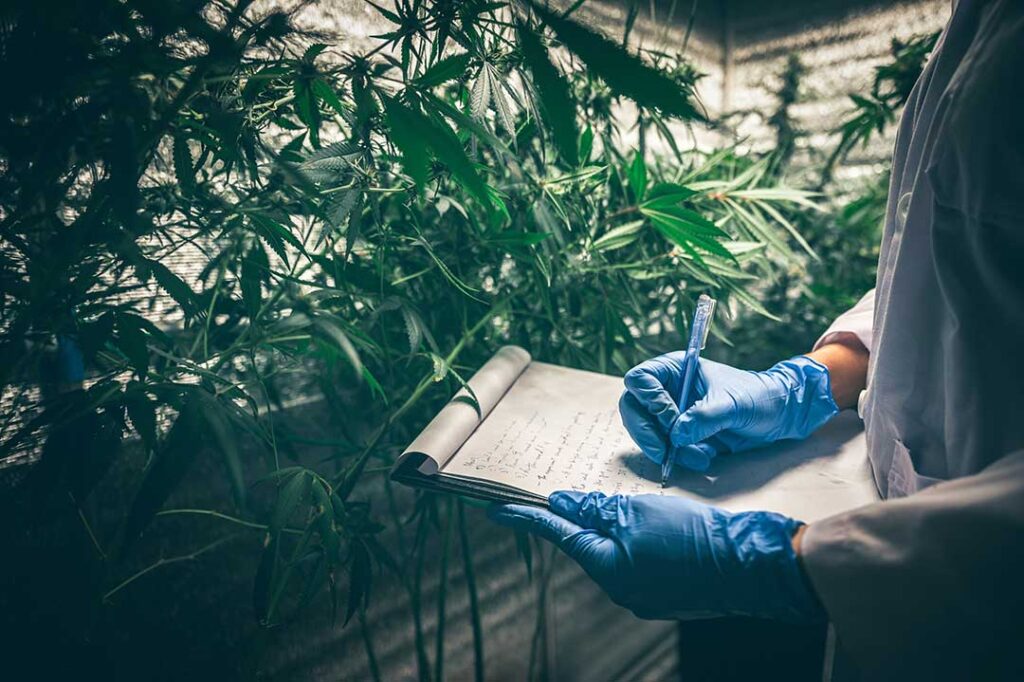
Cannabis and fitness are often discussed together, especially by adults who use cannabis for pain, relaxation, sleep, or recovery after physical activity. The evidence, however, does not support a simple answer that cannabis improves athletic performance. Some people report benefits such as reduced discomfort or greater enjoyment of low-intensity movement, while THC-related impairment can make exercise less safe and less effective.
The practical question is not whether cannabis is “good” or “bad” for fitness. It is how THC, CBD, the method of consumption, timing, health history, and the type of activity may affect a person differently.
Can cannabis improve exercise performance?
Cannabis has not been reliably shown to improve strength, speed, endurance, balance, or athletic performance. THC may change how exertion feels, but feeling less bothered by discomfort is not the same as having better physical capacity.
Some people say cannabis makes walking, stretching, yoga, or other familiar activities feel more enjoyable. A small amount may also change the perceived effort of exercise. Those effects are subjective and can vary widely from one session to another.
THC can also affect:
- Reaction time
- Coordination and balance
- Attention and decision-making
- Perception of distance, speed, and effort
- Heart rate and blood pressure
These changes create obvious concerns for cycling, swimming, skating, climbing, weightlifting, running near traffic, and activities involving machines or heavy equipment. A person may feel calm or focused while still having slower reactions and poorer judgment.
CBD is not intoxicating in the same way as THC, but that does not make every CBD product risk-free or proven to improve performance. Research on CBD and exercise recovery remains limited, and product quality and actual cannabinoid content can vary.
Could cannabis help with soreness or recovery?
Cannabis may reduce the subjective experience of pain for some people, which can make post-exercise soreness feel more manageable. This does not necessarily mean it speeds tissue repair or prevents injury.
Some adults use cannabis after exercise because they believe it helps with:
- Muscle soreness
- Relaxation
- Sleep
- Chronic pain that makes movement difficult
- Appetite after demanding activity
These possible benefits should be kept in perspective. Rest, hydration, adequate food, gradual training, mobility work, and sufficient sleep have stronger support as foundations of recovery. Cannabis may mask pain that would otherwise signal an injury, causing someone to return to activity too soon.
Using THC to push through sharp, persistent, or unusual pain is particularly risky. Pain relief can make an injury easier to ignore without correcting the underlying problem.
What are the cardiovascular risks during exercise?
Cannabis can temporarily increase heart rate and may raise blood pressure soon after use. Exercise already places additional demands on the cardiovascular system, so combining recent THC use with intense activity may produce palpitations, dizziness, shortness of breath, or uncomfortable changes in exertion.
People with heart disease, uncontrolled blood pressure, a history of fainting, or unexplained chest symptoms should be especially cautious. Chest pain, severe shortness of breath, fainting, confusion, or a sustained racing heartbeat warrants urgent medical attention.
Smoking cannabis adds another concern because smoke irritates the lungs and contains harmful combustion products. For someone already breathing heavily during exercise, inhaled smoke may worsen coughing, wheezing, or throat and chest irritation. Vaporizing is not automatically harmless, and inhaled products can still affect the lungs and cardiovascular system.
Is it safe to work out while high?
For most activities requiring balance, rapid decisions, coordination, or reliable judgment, exercising while high is not a safe choice. Impairment may be subtle, particularly for people who use cannabis regularly, but familiarity with the feeling does not eliminate the effects.
High-risk examples include:
- Driving to or from a workout
- Using free weights without reliable control
- Operating treadmills, exercise bikes, or other powered equipment
- Swimming alone
- Exercising outdoors in icy, dark, or low-visibility conditions
- Cycling or running near vehicles
- Participating in competitive sports

Rochester’s seasonal conditions add practical considerations. Ice, snow, wet pavement, poor visibility, and sudden temperature changes already increase the need for balance and quick responses. Cannabis-related impairment can make an ordinary outdoor workout more hazardous, particularly during winter or after dark.
A safer approach is to reserve cannabis for a time when no driving, demanding exercise, or safety-sensitive task remains. If impairment is present, staying in a familiar, controlled environment is safer than trying to “walk it off” outdoors.
Do edibles affect exercise differently from smoking?
Yes. Edibles can take longer to produce noticeable effects and may last much longer than inhaled cannabis. A person may begin a workout feeling normal and become substantially impaired later. Taking more because the first dose has not yet been felt increases the risk of excessive intoxication.
Inhaled cannabis usually acts more quickly, but faster onset does not make it safer. Smoking can irritate the lungs, while vaping can deliver high concentrations of THC and may make it easy to consume more than intended.
Product labels may list THC and CBD amounts, but individual responses still differ. Factors such as body chemistry, tolerance, food intake, medications, sleep, and previous cannabis experience can change the effects.
Can cannabis and alcohol be combined after exercise?
Combining cannabis and alcohol is more impairing than using either substance alone. The combination can increase dizziness, poor coordination, nausea, impaired judgment, and the risk of falls or other injuries.
This matters after exercise because dehydration, heat, fatigue, low blood sugar, or a long workout may already contribute to lightheadedness. Cannabis and alcohol should not be used as a substitute for water, food, cooling down, or sleep.
Cannabis may also interact with prescription or over-the-counter medicines. Anyone taking medication for heart conditions, blood pressure, mood, sleep, pain, or blood clotting should ask a qualified healthcare provider about possible interactions.
What is a lower-risk approach for adults who choose to use cannabis?
Adults who choose to use cannabis can reduce risk by separating consumption from exercise rather than treating cannabis as a performance aid.
Useful precautions include:
- Do not drive, cycle in traffic, swim alone, or operate equipment while impaired.
- Avoid using THC before high-intensity, unfamiliar, or balance-dependent activities.
- Do not combine cannabis with alcohol or other intoxicating substances.
- Keep infused products secured away from children and pets.
- Be cautious with edibles because effects may be delayed and prolonged.
- Stop exercising if dizziness, chest discomfort, unusual shortness of breath, confusion, panic, or loss of coordination develops.
- Pay attention to repeated reliance on cannabis to exercise, sleep, manage pain, or complete ordinary activities.
New York law prohibits driving under the influence of cannabis, including medical cannabis. Cannabis should not be used in a vehicle, and adults should plan transportation before consuming it.
Does cannabis use indicate a fitness problem?
Not necessarily. A person can use cannabis and maintain an active lifestyle. The concern is whether cannabis is interfering with training, recovery, safety, motivation, finances, work, relationships, or the ability to cut back.
Warning signs include needing increasingly larger amounts, using cannabis despite repeated problems, skipping activities that do not involve cannabis, or feeling unable to exercise, relax, sleep, or manage discomfort without it.
For local residents, the most balanced takeaway is straightforward: cannabis may change the experience of discomfort or relaxation, but it is not a proven exercise enhancer. THC can impair coordination and judgment, and smoking can stress the lungs. Fitness decisions are safer when based on clear performance, adequate recovery, and injury awareness rather than on feeling temporarily less bothered by effort or pain.