

 See My Latest Article on HelloNation
Can Residents Use Cannabis for Chronic Pain Relief?
Cannabis has gained attention as a possible aid for individuals living with chronic pain, including those in Rochester, NY. Research suggests that some compounds found in cannabis—particularly THC (tetrahydrocannabinol) and CBD (cannabidiol)—may provide relief for certain types of persistent pain. Not every person responds the same way, and the level of pain relief can vary considerably.
How Does Cannabis Affect Chronic Pain?
Cannabis interacts with the endocannabinoid system, a network of receptors throughout the body and brain involved in regulating pain, inflammation, and mood. When someone uses cannabis, cannabinoids in the plant attach to these receptors, which can potentially reduce nerve signals related to pain. This effect may help with:
- Neuropathic pain (nerve-related pain)
- Pain associated with conditions like arthritis or multiple sclerosis
- Some forms of back pain
However, not all pain types respond equally, and research is ongoing. Many studies highlight that while some people experience significant relief, others notice minimal changes.
What Forms of Cannabis Are Available for Pain?
There are several forms of cannabis products, which can be helpful for those managing pain. Residents in Rochester typically encounter options such as:
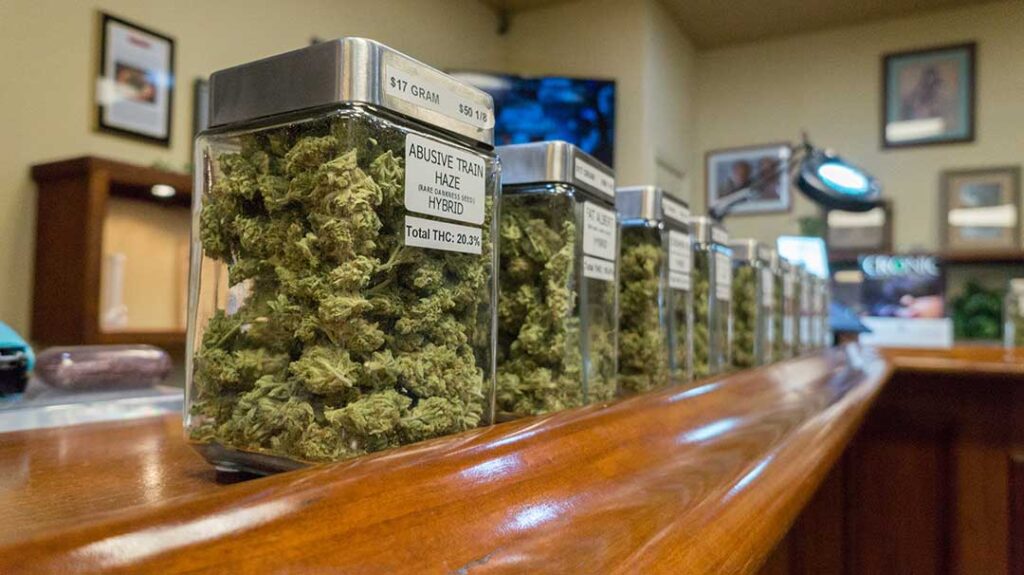
- Flower (dried cannabis for smoking or vaporizing)
- Edibles (gummies, chocolates, capsules)
- Tinctures (alcohol or oil-based drops used under the tongue)
- Topicals (creams or balms applied to the skin)
- Vape cartridges
Each method has a different onset time and duration. For example, inhaled products act within minutes but fade within hours, while edibles last longer but take longer to start working. Local residents often weigh preferences such as discretion, speed of relief, and ease of use when selecting a method.
What Do Local Regulations Say About Medical Cannabis?
In Rochester, medical cannabis use is regulated by state law. Qualifying patients must register with the state and obtain a medical cannabis card after a medical professional certifies their condition, which may include chronic pain diagnoses. Approved patients can then purchase cannabis at state-regulated dispensaries. Possession limits and specific rules apply, and public use is generally not allowed, matching broader state regulations.
Residents should always stay informed about ongoing changes, as state laws related to medical and recreational use can evolve.
Are There Risks or Side Effects for Chronic Pain Sufferers?
Like any substance, cannabis comes with possible risks and side effects. Common concerns include:
- Drowsiness or fatigue
- Impaired concentration or memory
- Dry mouth
- Mood changes
- Potential for unwanted psychoactive effects (especially with higher-THC products)
Some individuals—such as those with certain mental health conditions or a history of substance misuse—may be at higher risk of negative effects. Area households considering cannabis should weigh these factors, especially when activities like driving, operating machinery, or supervising children are part of daily routines.
What Does Research Say About Effectiveness?

Clinical research on cannabis for chronic pain shows mixed results. Some studies report moderate benefits for specific conditions, such as neuropathic pain or pain associated with cancer or multiple sclerosis. Others show limited or uncertain improvements. No cannabis product currently offers a consistent, one-size-fits-all solution for chronic pain.
Local physicians may recommend cannabis as a secondary option if standard treatments prove ineffective or cause intolerable side effects. Residents should approach cannabis as a potential tool within a broader pain management plan rather than expecting a cure.
Are There Common Misconceptions About Using Cannabis for Pain?
Several myths and misconceptions circulate about cannabis and chronic pain:
- “Cannabis works for everyone.” In reality, individual response varies widely.
- “It’s a risk-free option.” Side effects and legal considerations still apply.
- “More is better.” Higher doses increase side effects and may not lead to better pain control.
Residents should rely on credible sources and discuss their unique health needs with a knowledgeable healthcare provider.
How Might Local Climate or Lifestyle Affect Use?
Most chronic pain conditions can feel worse in cold, damp weather—something Rochester experiences for a significant part of the year. Some folks notice their symptoms intensify during the winter or after shoveling snow. Those using cannabis should be especially cautious with methods affecting alertness, such as inhaled products, when coping with potentially hazardous seasonal conditions—like icy sidewalks or winter driving.
Subtle lifestyle factors—such as long commutes, dense housing, or the need for discreet treatment—might also shape product choices and timing for local users.
What Practical Steps Can Residents Take?
Residents considering cannabis for ongoing pain should:
- Evaluate eligibility for the state’s medical cannabis program
- Keep up with changes to local and state regulations
- Use only state-legal, lab-tested products to ensure safety
- Track symptom changes, side effects, and progress over time
Being informed and cautious helps area households make the best decisions for their unique situation.