

 See My Latest Article on HelloNation
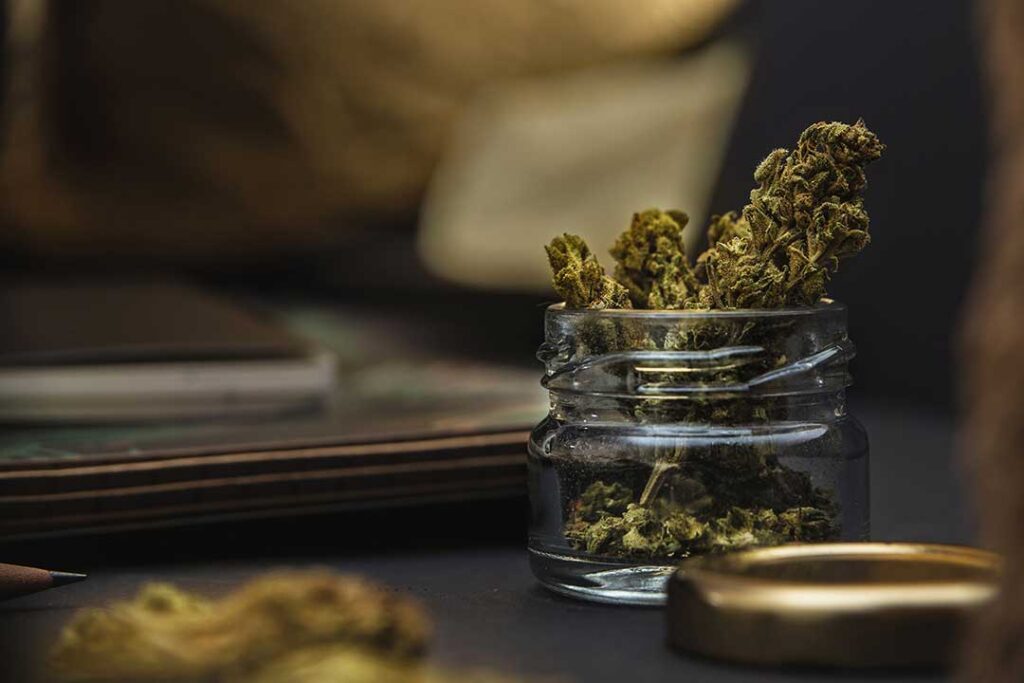
Cannabis may seem appealing for concerns such as persistent pain, poor sleep, appetite changes, or treatment-related symptoms. For older adults, however, age-related changes in the body, multiple medications, fall risk, and heart or memory conditions can make cannabis more complicated than it first appears.
The safest approach is to treat cannabis as a medication-like substance: identify a specific reason for using it, understand the THC and CBD content, begin cautiously if use is appropriate, and watch for changes in balance, alertness, blood pressure, mood, and other medicines.
Is cannabis safe for older adults?
There is no single answer. Some older adults may tolerate cannabis without major problems, while others may experience dizziness, confusion, rapid heartbeat, sleepiness, anxiety, or impaired coordination. The risk depends on the person’s health, the product, the amount, the method of use, and other substances taken at the same time.
Aging can change how the liver, kidneys, circulation, and brain respond to medicines. Older adults also commonly take several prescription drugs, over-the-counter products, or supplements, increasing the possibility of side effects and interactions. ([fda.gov](https://www.fda.gov/drugs/information-consumers-and-patients-drugs/you-age-you-and-your-medicines?utm_source=openai))
Extra caution is sensible for anyone with:
- A history of falls, fainting, or balance problems
- Heart rhythm concerns, uncontrolled blood pressure, or recent cardiac symptoms
- Memory loss, confusion, or other cognitive changes
- Liver or kidney disease
- A history of psychosis, severe anxiety, or substance-use disorder
- Regular use of opioids, sleeping pills, anti-anxiety medicines, blood thinners, or alcohol
These factors do not automatically rule out cannabis, but they make individualized medical advice more important.
What are seniors commonly considering cannabis for?
Older adults often ask about cannabis for chronic pain, nerve pain, sleep difficulty, appetite loss, nausea, muscle spasms, or symptoms connected with serious illness. Evidence is stronger for some specific medical uses than for broad claims about general wellness.
Cannabis should not be viewed as a guaranteed treatment for arthritis, dementia, insomnia, or chronic pain. In particular, using cannabis to manage memory loss or confusion may worsen those symptoms in some people. Products marketed as “natural” are not automatically risk-free, and CBD is not risk-free simply because it usually does not produce a strong high.
The U.S. Food and Drug Administration warns that CBD may cause drug interactions, sleepiness, and liver injury, and that most CBD products have not been evaluated or approved as treatments for specific conditions. ([fda.gov](https://www.fda.gov/food/conversations-experts-food-topics/what-fda-doing-protect-consumers-cannabidiol-cbd-foods?utm_source=openai))
What should be reviewed before trying it?
A complete medication review is one of the most useful safety steps. The list should include prescriptions, aspirin and other over-the-counter medicines, vitamins, herbal products, alcohol, and occasional medicines used only during flare-ups.
Cannabis compounds can affect how some medicines are processed. Potential concerns include additive sedation with opioids, sleep medicines, or anti-anxiety drugs; increased impairment when combined with alcohol; and possible effects involving blood thinners or medicines processed by the liver. The exact risk depends on the drug, dose, timing, and the person’s health. ([fda.gov](https://www.fda.gov/media/183072/download?utm_source=openai))
A pharmacist or prescribing clinician can help check for interactions before use. Prescribed medicines should not be stopped, reduced, or replaced with cannabis without medical guidance.
Does THC or CBD matter more for seniors?
Both matter, but they create different concerns.
THC is the compound most associated with intoxication. It can affect reaction time, judgment, coordination, short-term memory, heart rate, and anxiety. For an older adult living alone, a modest amount may create a meaningful fall or driving risk.
CBD is generally less intoxicating, but it can still cause drowsiness and interact with medications. A product labeled CBD may also contain THC, particularly if it is a full-spectrum product. Labels should be read carefully rather than relying on terms such as “hemp,” “calming,” or “non-psychoactive.”
A higher CBD-to-THC ratio may reduce intoxication for some people, but it does not eliminate the possibility of interactions or side effects.
Which cannabis method presents the fewest surprises?
Each method has trade-offs.
- Edibles and beverages may take a long time to produce noticeable effects and can last for several hours. Taking more because the first amount “didn’t work” is a common cause of overconsumption.
- Inhaled cannabis acts more quickly, but smoking may irritate the lungs and inhalation can produce a stronger effect than expected.
- Tinctures or oils may be easier to measure than homemade foods, but absorption can still vary and labels may require careful attention.
- Topical products are generally used for localized skin or muscle concerns. They should not be assumed to provide the same effects as products taken into the bloodstream.

For any method, a cautious first trial should occur in a familiar, safe setting—not before driving, using stairs repeatedly, bathing alone, or handling equipment. A trusted person may need to know what was taken in case dizziness or confusion develops.
How can someone reduce the risk of falls or confusion?
Fall prevention matters especially in Rochester, NY, where winter ice, snow, bulky clothing, and reduced daylight can already make walking more difficult. Cannabis-related dizziness or delayed reactions can add to those seasonal hazards.
Practical precautions include:
- Use cannabis only when no driving or major task is planned.
- Avoid combining it with alcohol, sleep medicines, opioids, or sedatives unless specifically cleared by a clinician.
- Sit or remain at home until the effects are understood.
- Keep pathways, stairs, and bathroom areas well lit and free of clutter.
- Store products in a clearly labeled, locked location away from grandchildren, visitors, and pets.
- Do not share cannabis with another person, even if the product seemed helpful.
The FDA specifically warns that cannabis and cannabis-derived products, including CBD, can make driving dangerous because they may affect alertness and coordination. ([fda.gov](https://www.fda.gov/consumers/consumer-updates/some-medicines-and-driving-dont-mix?utm_source=openai))
How do New York rules affect older adults?
Adults age 21 and older may legally possess and use adult-use cannabis under New York law, subject to restrictions on where it may be consumed. Medical cannabis remains a separate, certification-based program, and products sold through New York dispensaries are not FDA-approved medicines. ([cannabis.ny.gov](https://cannabis.ny.gov/rescheduling-overview?utm_source=openai))
Older adults who cannot safely obtain or manage medical cannabis may be eligible to designate caregivers through New York’s Medical Cannabis Program. The state allows certified patients to designate up to five caregivers who can assist with possession, acquisition, delivery, transportation, and administration of approved medical cannabis. ([cannabis.ny.gov](https://cannabis.ny.gov/designated-caregivers?utm_source=openai))
Rules can change, including medical-program requirements and possession limits. Checking current New York State guidance is preferable to relying on older pamphlets, social media posts, or advice from another state.
What symptoms mean cannabis should be stopped?
Stop using cannabis and seek urgent medical help for chest pain, trouble breathing, fainting, severe confusion, seizure, signs of a stroke, or an extreme reaction that does not improve.
Less urgent but still meaningful warning signs include repeated falls, new memory problems, persistent vomiting, troubling anxiety, hallucinations, unusual sleepiness, or a noticeable change in how prescription medicines work. These symptoms should be discussed with a healthcare professional before cannabis is used again.
For many seniors, the central question is not whether cannabis is “good” or “bad.” It is whether the possible benefit for a clearly defined symptom justifies the risks created by age, health conditions, medications, household circumstances, and daily activities.