

 See My Latest Article on HelloNation
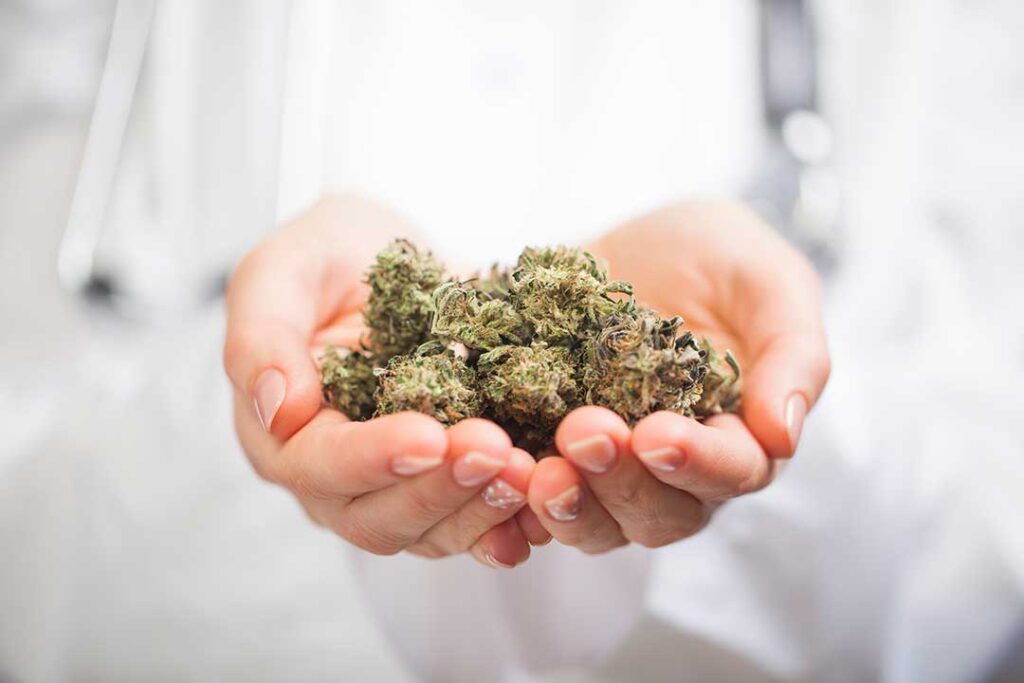
How Long Does Cannabis Stay in Your System? A Clear Answer
Cannabis can remain detectable in the body for days to weeks after use, depending on many factors. The window varies based on usage habits, type of test, and individual characteristics. This often raises concerns for local residents curious about employment, medical procedures, or legal matters.
Why Does Cannabis Stay in the Body for So Long?
Unlike many substances, cannabis compounds are fat-soluble. The main active ingredient—THC (tetrahydrocannabinol)—binds to fat cells in the body, particularly in areas with more fatty tissue. This slow release is why traces of cannabis can be found well after the initial effects have worn off.
Factors That Influence How Long Cannabis Lingers
Many residents find no two experiences are exactly the same. Some of the biggest variables include:
- Frequency of use: Occasional users clear THC faster than regular users.
- Body composition: People with higher body fat may store cannabinoids longer.
- Metabolism: Individuals with faster metabolisms may eliminate THC more quickly.
- Hydration and activity: Staying hydrated and physically active can slightly speed elimination, but not drastically.
What Are the Differences Between Testing Methods?
There are several common ways THC is detected. Each test type has its own typical detection window.
Urine Tests
The most frequently used screening method, especially for pre-employment or legal requirements, urine tests can detect cannabis metabolites for:
- Occasional users (a single use): up to 3 days
- Moderate users (a few times a week): roughly 5–7 days
- Heavy or daily users: up to 10–30 days
Blood Tests
Blood tests are typically reserved for recent use detection. THC is traceable in blood for 1–2 days after light use, but may be detectable slightly longer for heavy users or in cases of chronic consumption.
Saliva Tests
Saliva testing is becoming more common. THC remains detectable for 24–72 hours after last use for most people. This can be shorter in those who use infrequently.
Hair Tests

These tests capture the longest detection window. THC metabolites can be found in hair up to 90 days after using cannabis. This method is relatively rare and often reserved for special circumstances.
How Do Different Types of Cannabis Use Affect Detection?
The form in which cannabis is consumed—whether smoking, vaping, or ingesting edibles—can affect how long compounds remain detectable. Edibles tend to produce metabolites that persist longer in the bloodstream and urine than smoked forms, often due to slower digestion and processing.
What About Non-THC Cannabinoids Like CBD?
Locally, many individuals use products containing CBD (cannabidiol). Standard drug tests aim to detect THC, not CBD. However, some broad-spectrum or full-spectrum products may contain trace amounts of THC, leading to potential positive results.
Can You Speed Up the Process of Eliminating Cannabis?
Many myths circulate in the community about “flushing out” THC quickly. While factors such as hydration and exercise can potentially contribute to a slight decrease in detection time, there is no reliable, fast way to clear cannabis from the system. Most home remedies, detox kits, or extreme diets are not supported by scientific evidence.
What Should Local Residents Know About Cannabis Testing and Legal Considerations?
Laws and regulations on cannabis use and testing can vary by employer or circumstance, even after the legalization of recreational cannabis. Residents should review the latest local policies, especially for jobs involving safety-sensitive work or federal contracts. Those prescribed medical cannabis may need to provide documentation if a drug test is requested.
Misconceptions and Common Questions in the Community
Some believe that passive exposure—such as being in a room where cannabis is used—could result in a positive test. In practice, this is highly unlikely, as modern tests are designed to pick up levels far higher than would result from such incidental contact.
Another misconception is that all tests will show consistent results. Detection windows are roughly estimated, but personal body chemistry and lifestyle habits can make a notable difference.
Seasonal and Environmental Factors
In areas like this region, where people may be more sedentary in winter or change routines with the seasons, metabolism can shift subtly through the year. This may have a mild influence on how quickly the body eliminates cannabis, though diet and exercise habits matter more than weather alone.
When to Seek Reliable Information or Help
Individuals with upcoming employment screenings, medical tests, or legal procedures are encouraged to seek neutral, fact-based guidance about their rights and responsibilities around cannabis use. Public health agencies and legal advisors can be sources of up-to-date information relevant to specific situations involving cannabis detection.