
 See My Latest Article on HelloNation
How Are Medical and Recreational Cannabis Defined Differently?
The difference between medical and recreational cannabis comes down primarily to the purpose of use, legal requirements, and how products are accessed. In the context of Rochester, NY, residents may encounter both terms at dispensaries or in local discussions.
Medical cannabis is used with the goal of treating or managing specific health conditions, like chronic pain, epilepsy, or cancer symptoms. This use must be recommended by a healthcare provider and follows a state-certified approval process.
Recreational cannabis, by contrast, is used for personal enjoyment or relaxation rather than as a treatment for a diagnosed health condition. Its purchase and use still require adherence to state laws, but no medical qualification is involved.
Who Qualifies for Medical Cannabis in Rochester, NY?
Only New York State residents with qualifying health conditions, as determined by a healthcare provider registered with the state’s medical cannabis program, can access medical cannabis. This requires registering with the state’s patient program and carrying a valid medical card.
Some common medical conditions that may qualify include:
- Chronic or severe pain
- Multiple sclerosis
- Epilepsy or seizures
- Cancer
- HIV/AIDS
- PTSD
Anyone interested in this pathway must provide medical documentation and undergo an evaluation. The process ensures that medical cannabis is reserved for those whose health and quality of life may benefit from its therapeutic effects.
What Makes Recreational Cannabis Different in Practice?
Recreational cannabis is intended for adults age 21 or older who simply wish to use cannabis without a specific medical reason. After state legalization, adults in Rochester can lawfully purchase, possess, and use cannabis within certain limits. There are restrictions on how much can be bought or possessed at one time, with the goal of promoting responsible use and safety in the community.
While both forms look similar in packaging or products, recreational purchases do not require doctor’s approval or medical registration.
Are There Differences in Products Between Medical and Recreational Sales?
Yes, there can be differences in product selection, potency, and dosage guidance. Medical cannabis products in Rochester dispensaries are often tailored to patient needs. These may include higher potency options, metered doses, and formulations specifically intended to minimize intoxication, such as CBD-rich products.
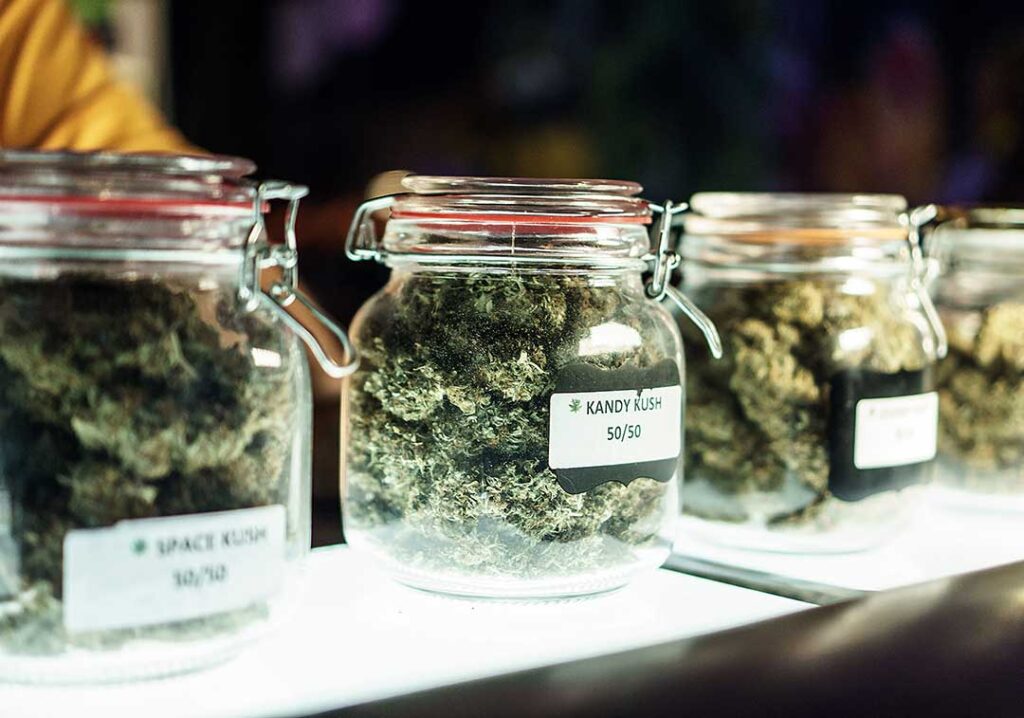
Recreational consumers may find a broader variety of products focused on varying effects or flavors, but not always with the same focus on medical formulations. For those with a medical need, working with healthcare providers or knowledgeable staff can help ensure appropriate product choices.
How Do Purchase and Possession Laws Differ?
Medical cannabis patients with a valid registry ID may purchase larger quantities per month than recreational consumers and are permitted to possess a somewhat greater amount, per state law. They might also have access to designated patient-only hours or special accommodations for mobility, privacy, or medical care needs.
For recreational users, New York law currently allows adults to possess up to three ounces of cannabis flower or up to 24 grams of concentrate. Consumption on private property is allowed, but public use has limitations and is governed by local ordinances to protect shared spaces and public safety.
Does Insurance Cover Any Cannabis Purchases?
No, insurance does not cover either medical or recreational cannabis in Rochester. All purchases are made out-of-pocket, regardless of whether the use is medically justified or recreational.

Patients with chronic conditions or on fixed incomes sometimes ask about coverage, but federal law currently prevents health insurers from covering cannabis, even when used for proven medical needs.
Is the Experience of Buying Cannabis Different for Medical vs. Recreational Shoppers?
For medical cannabis patients, there is an official registration process and a stronger emphasis on privacy and medical support. Staff at dispensaries that serve patients are typically trained to help with dosing questions and potential interactions with other medications, and may offer private consultation spaces.
Recreational consumers, on the other hand, can expect a more streamlined purchasing experience, showing government-issued ID to confirm age. While knowledgeable staff can answer questions, the focus is rarely on health or condition-specific advice.
What Rules Apply Around the Home?
Both forms of cannabis use must be kept away from minors and used responsibly within private spaces. Area residents living in apartments or multi-unit housing should be aware of property management policies and shared ventilation systems, as cannabis odors and smoke can travel between units.
Local households might also want to consider secure storage, especially where children or visitors are present, to prevent accidental ingestion or misuse.
How Are Local Attitudes Shaping Cannabis Use?
Like much of New York State, the community around Rochester is gradually adjusting to new norms around legal cannabis. While there is broad support for medical cannabis as a health tool, recreational use still prompts questions about safe consumption, social impact, and neighborhood lifestyle.
Public education remains a priority. Questions about driving under the influence, secondhand smoke, and workplace rules continue to arise. Individuals using cannabis for any reason should stay informed about both state regulations and specific policies in workplaces, schools, and housing complexes.
What Are Common Misconceptions?
Several misconceptions often surface:
- Medical cannabis is not “stronger” or “safer” by default—it is regulated for specific needs and monitored.
- Not all healthcare providers recommend medical cannabis, and not all dispensaries sell both medical and recreational products.
- Recreational legalization does not mean all forms of cannabis use are legal. Strict regulations still apply to sales, transport, and consumption.
For anyone in Rochester weighing the differences, understanding the legal distinctions, intended uses, and community norms helps clarify which pathway is most appropriate for their personal or family needs.